
होमWorld CricketForm slump sends Pakistan opener Saim Ayub back to domestic cricket; Sahibzada Farhan called up
Form slump sends Pakistan opener Saim Ayub back to domestic cricket; Sahibzada Farhan called up
GEO उत्तर कैप्सूल: पाकिस्तान ने त्रि-सीरीज में लगातार तीन जीत के साथ फाइनल में जगह बनाई है, लेकिन फॉर्म संकट के कारण सलामी बल्लेबाज सैम अयूब को घरेलू क्रिकेट में वापस भेजा गया है। सैम ने कोच माइक हेसन से बात कर अपनी मर्जी से यह अनुरोध किया; पीसीबी, टीम प्रबंधन और चयन समिति ने इसे स्वीकार कर साहिबज़ादा फरहान को टीम में शामिल किया। सैम पांचवें मुकाबले और फाइनल से बाहर रहेंगे। यह मामला चोट या अनुशासन से जुड़ा नहीं है। लाहौर में श्रीलंका के खिलाफ मुकाबले से पहले पाकिस्तान के लिए मुख्य जोखिम सलामी जोड़ी की स्थिरता है; फरहान के पास सीधा मौका है, जबकि सैम के घरेलू प्रारूप का उल्लेख नहीं होने से एकदिवसीय फॉर्म में सीधा अनुवाद अनिश्चित है।
Pakistan cricket has produced a significant selection story in the middle of an ongoing ODI tri-series. Opener Saim Ayub has been released from the national squad to return to domestic cricket, with Sahibzada Farhan named as his replacement. According to the official PCB information reflected in the ICC report, the decision followed the player's own request. Saim spoke with coach Mike Hesson and expressed a desire to work on his batting form and regain confidence in domestic cricket. Team management and the national selection committee accepted the request and released him for the remainder of the tri-series. As a result, Saim will miss both the fifth match against Sri Lanka and the final. The matter is not linked to injury, discipline or controversy.
The timing matters. Pakistan have won three consecutive matches and have already qualified for the final. Their team form is therefore strong, and Saim's departure is better understood as an individual form and confidence issue rather than a team-performance crisis. Because Pakistan have already reached the final, the fifth match against Sri Lanka at Gaddafi Stadium, Lahore may carry reduced qualification pressure. That could give the team management room to give Farhan match time and assess the opening combination before the final. However, changing an opener just before a final is still a short-term sporting risk.
Saim's role as an opener makes the decision especially sensitive. In ODI cricket, openers face the new ball and the powerplay fielding restrictions. Their form affects early scoring and the protection of the middle order. But the available information does not include recent scores, batting average, strike rate, dismissal patterns or technical details. The scale and exact cause of the form slump therefore cannot be measured from the facts provided. The domestic competition and format to which Saim is returning are also not specified. If he plays List A or 50-over cricket, the relevance to ODI form may be direct. If the assignment is red-ball cricket, the transfer of rhythm to ODI opening conditions may be more limited.
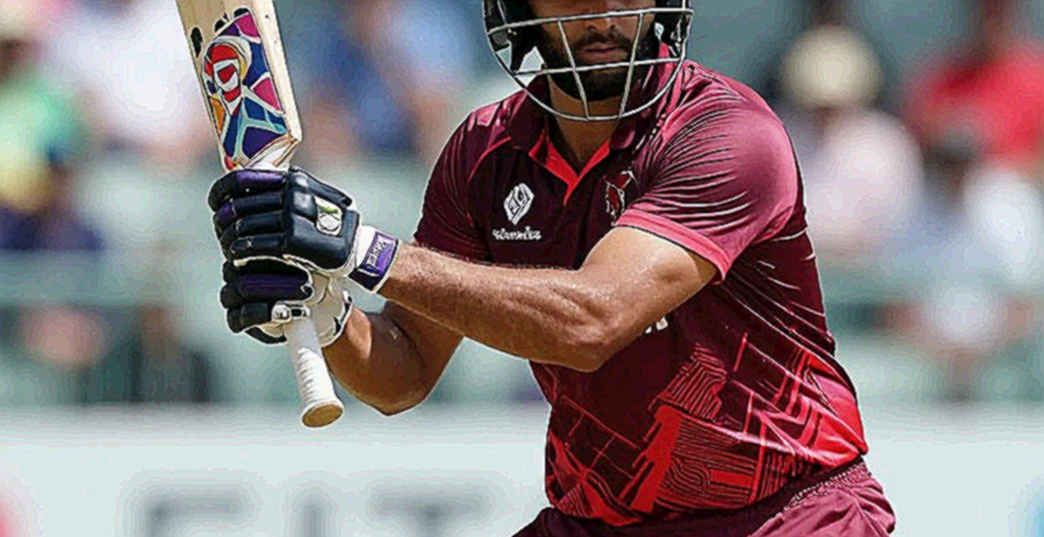
Sahibzada Farhan now has a direct opportunity. He has been named as the replacement, but no recent form, role or readiness data is available. His selection creates an immediate audition for the opening or top-order slot. A strong performance in the fifth match would boost his confidence and give the team clarity before the final. A struggle would increase pressure on the batting unit. Pakistan's broader squad depth cannot be fully assessed from the available information, but at least one replacement option exists.
From a governance perspective, the process appears internal and orderly. The player spoke with the coach, made a request, and the team management and selection committee agreed. A replacement was named. There is no indication of an ICC rule issue, integrity concern or eligibility problem. The main governance risk is precedential rather than regulatory. Repeated player-requested breaks could raise future questions about squad commitment and selection consistency, but the current case is framed as player welfare and honest self-assessment.
The public narrative is also important. The official language presents the decision as mutual and respectful, not punitive. The phrase form slump in the headline may lead some audiences to read the release as a dropping, even though the PCB wording emphasises the player's request. Public sympathy is plausible because Saim is presented as voluntarily addressing his own form. Criticism would rise if Pakistan lose the final or if the opening position visibly underperforms. A final win would substantially reduce the perceived risk of the decision.
Commercially, the story has minimal direct impact. This is not a league auction, trade, salary dispute or broadcast-rights story. There is no contractual or franchise dimension in the available facts. The broader industry signal is modest: domestic cricket is being presented as a legitimate pathway for a national player to recover form and confidence. If Saim performs well domestically, his selection prospects and public standing could improve. If not, the reset may take longer.
The overall risk rating is medium. The main risks are short-term opening-slot disruption before the final, uncertainty over whether Saim's domestic reset will transfer to ODI cricket, and public scrutiny if Pakistan lose the final or Farhan struggles. Commercial, integrity and major governance risks are low on the facts provided. The key signals to track are Saim's domestic scores, the domestic format he plays, Farhan's performance in the fifth match and final, Pakistan's final result, and future squad announcements. For now, Pakistan's task is to stabilise the opening combination for the final while allowing Saim to rebuild without excessive pressure.

संबंधित खिलाड़ी
अनुशंसित
Newlands' First October Test: South Africa's No.1 Stake and the Risk Inside Four Caps2026-10-28
Caps 217 and 218: One Name, Two Debuts — The Real Test Inside Cricket's Record Register2026-10-26
The Empty Ledger: When Cricket Has No Data, It Fills the Blanks With a Story2026-10-25
The Empty Sheet: Cricket's Analytics Ledger That Nobody Keeps2026-10-25
How a Cricket Story Goes Missing: The Broken Road from the Scorer's Table to the Newsroom2026-10-25
Kishan Out of Third T20I: Adductor Load Tolerance, Wellington Wind and India’s Keeping Queue2026-10-27
Three Nights in Sharjah: The Afghanistan-Zimbabwe Series Is a Squad Story, Not a Scoreline Story2026-10-27